






The RISC-V Reader
How to Think Like a Computer Scientist
The Science of Programming
How to Think Like a Computer Scientist




The art of computer programming. 4A : Part 1. Combinatorial algorithms : [the classic work extended and refined]
How to Think Like a Computer Scientist


Theoretische Informatik
How to Think Like a Computer Scientist




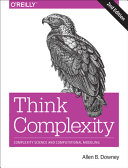

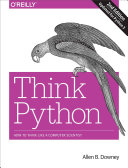


Think Python
How to Think Like a Computer Scientist
description
If you want to learn how to program, working with Python is an excellent way to start. This hands-on guide takes you through the language a step at a time, beginning with basic programming concepts before moving on to functions, recursion, data structures, and object-oriented design. This second edition and its supporting code have been updated for Python 3. Through exercises in each chapter, you’ll try out programming concepts as you learn them. Think Python is ideal for students at the high school or college level, as well as self-learners, home-schooled students, and professionals who need to learn programming basics. Beginners just getting their feet wet will learn how to start with Python in a browser. Start with the basics, including language syntax and semantics Get a clear definition of each programming concept Learn about values, variables, statements, functions, and data structures in a logical progression Discover how to work with files and databases Understand objects, methods, and object-oriented programming Use debugging techniques to fix syntax, runtime, and semantic errors Explore interface design, data structures, and GUI-based programs through case studies
read more
pages
292
Year published
2015
Publisher
O'Reilly Media
Issn
1-4919-3936-2
Language
en
categories
id
D.3.2.6 DOW16